

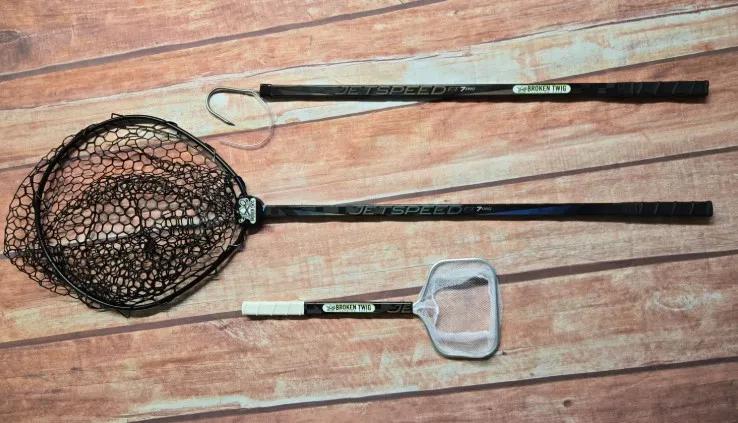
A good fishing kayak net is one of the simplest upgrades that makes the biggest difference on the water. Landing a fish by hand from a moving kayak is awkward at best and a lost catch at worst, which is why most experienced anglers keep a dedicated net within reach at all times. Whether you're chasing bass in a freshwater pond or redfish along the coast, choosing the right kayak net comes down to size, material, and how easily it stores on your deck.
Unlike traditional boat nets, a landing net for kayak fishing is designed to work within the limited space of a kayak. The right net helps you secure fish safely, minimizes stress on the fish during catch-and-release, and gives you better control while staying balanced on the water.
Why You Need a Dedicated Kayak Fishing Net
Standard landing nets are built for boats and riverbanks, not the tight, low-profile deck of a kayak. Fishing nets for kayaks are designed shorter and lighter, with mesh that won't snag hooks or scales, so you can land fish quickly without tipping your balance or damaging your catch. Without one, anglers often end up hand-lining fish to the deck, which raises the risk of a lost hookset, a dropped rod, or an unstable kayak in choppy water.
Without a dedicated kayak net, anglers often end up hand-lining fish to the deck, increasing the chances of losing the fish during the final moments of the fight. Trying to grab a thrashing fish beside your kayak can also affect your balance and increase the risk of dropped rods, tangled lines, or accidental hook injuries.
A properly sized kayak fishing net makes every landing more controlled, especially when targeting larger fish or fishing in windy conditions.
Types of Kayak Nets to Consider
Rubber-Coated Landing Nets
Rubber-coated mesh is one of the most popular options for kayak anglers. It is gentler on fish, reduces hook tangles, resists odors, and performs well in both freshwater and saltwater environments. If you regularly practice catch-and-release fishing, rubber-coated nets are an excellent investment.
Telescoping Handle Nets
A telescoping handle extends your reach when landing fish farther from your kayak while collapsing for compact storage. This style is especially useful for anglers using longer fishing kayaks or those who fish in deeper water where reaching over the side is more challenging.
Foldable and Collapsible Nets
Foldable kayak nets are ideal for anglers with limited deck space, tucking into a rod holder or bungee mount when not in use. They easily fit beneath deck bungees, inside storage compartments, or alongside your seat without getting in the way. Compact storage makes them perfect for recreational and fishing kayaks alike.
Choosing the Right Net Based on Your Fishing Style
Not every angler needs the same type of net. Your target species and fishing environment should influence your decision.
Bass Fishing: Medium-sized rubber-coated nets provide enough hoop space while remaining lightweight and easy to handle.
Saltwater Fishing: Corrosion-resistant materials and reinforced handles are ideal for handling stronger fish such as redfish, snook, and speckled trout.
Trout and Panfish: Compact nets with shorter handles are easier to maneuver in smaller creeks, rivers, and ponds.
Catch-and-Release Fishing: Soft rubber mesh minimizes scale loss and helps protect the fish's natural slime coating.
Before buying a fishing net, consider the following features:
Hoop size: Match the net to the species you target most, from panfish to larger saltwater game fish.
Material: Rubber or coated mesh protects fish and resists corrosion better than untreated nylon.
Handle length: Longer handles work well on larger kayaks, while shorter handles offer better maneuverability in compact models.
Mounting options: Look for a net that clips to deck rigging, paddle leashes, or rod holders for quick access.
Weight and buoyancy: Lightweight floating nets are easier to handle and less likely to disappear if dropped overboard.
Grip: Non-slip handles improve control when landing fish with wet hands.
The best fishing kayak net balances portability, durability, and convenience without taking up valuable deck space.
Tips for Using a Kayak Net Efficiently
Keep the net pre-rigged and accessible before you hook up, not buried in a hatch.
Scoop fish head-first to avoid startling them into a last-second run.
Rinse rubber netting after saltwater trips to extend its lifespan.
Practice one-handed netting so your rod hand stays free during the fight.
How to Store and Maintain Your Kayak Fishing Net
A quality fishing kayak net can last for years with proper care.
After every saltwater trip, rinse the net thoroughly with fresh water to remove salt deposits that can damage metal components over time. Allow the mesh to dry completely before storing it to prevent mildew and odors.
Inspect the frame, mesh, and handle regularly for cracks or loose hardware. Tighten any screws and replace worn components before they fail on the water.
When storing your kayak, keep the net secured under deck bungees or inside a storage compartment where it won't become tangled with fishing rods or other kayak fishing accessories. Proper maintenance ensures your landing net is always ready when the next big fish strikes.
Shop Vibe Kayaks' Fishing Net Collection
The right kayak net turns a stressful catch into a smooth release. Browse Vibe Kayaks' full range of fishing nets for kayaks to find a landing net that fits your kayak, your target species, and your rigging setup, and pair it with the rest of your kayak fishing gear for a smoother trip from launch to landing.
Also Read: How to Choose the Best Fishing Kayak in 2026: A Buyer's Checklist